Community practice

Circles

Small local groups for honesty, repair, joy, and shared practice.

Circles grow slowly, with consent, accountability, and care. They are not a replacement for professional support, crisis care, or personal authority.

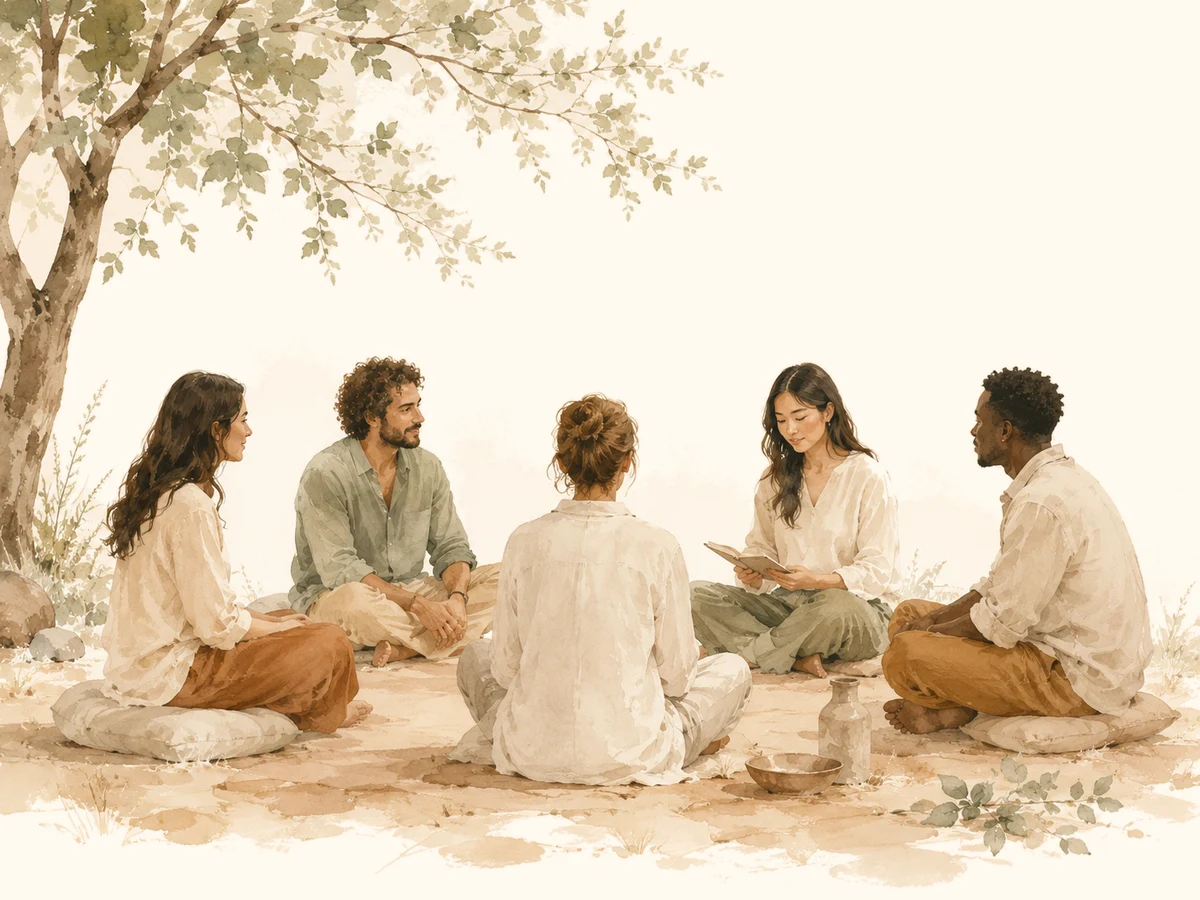
Warm illustration of people gathered in a calm circle under a tree
What a Circle means
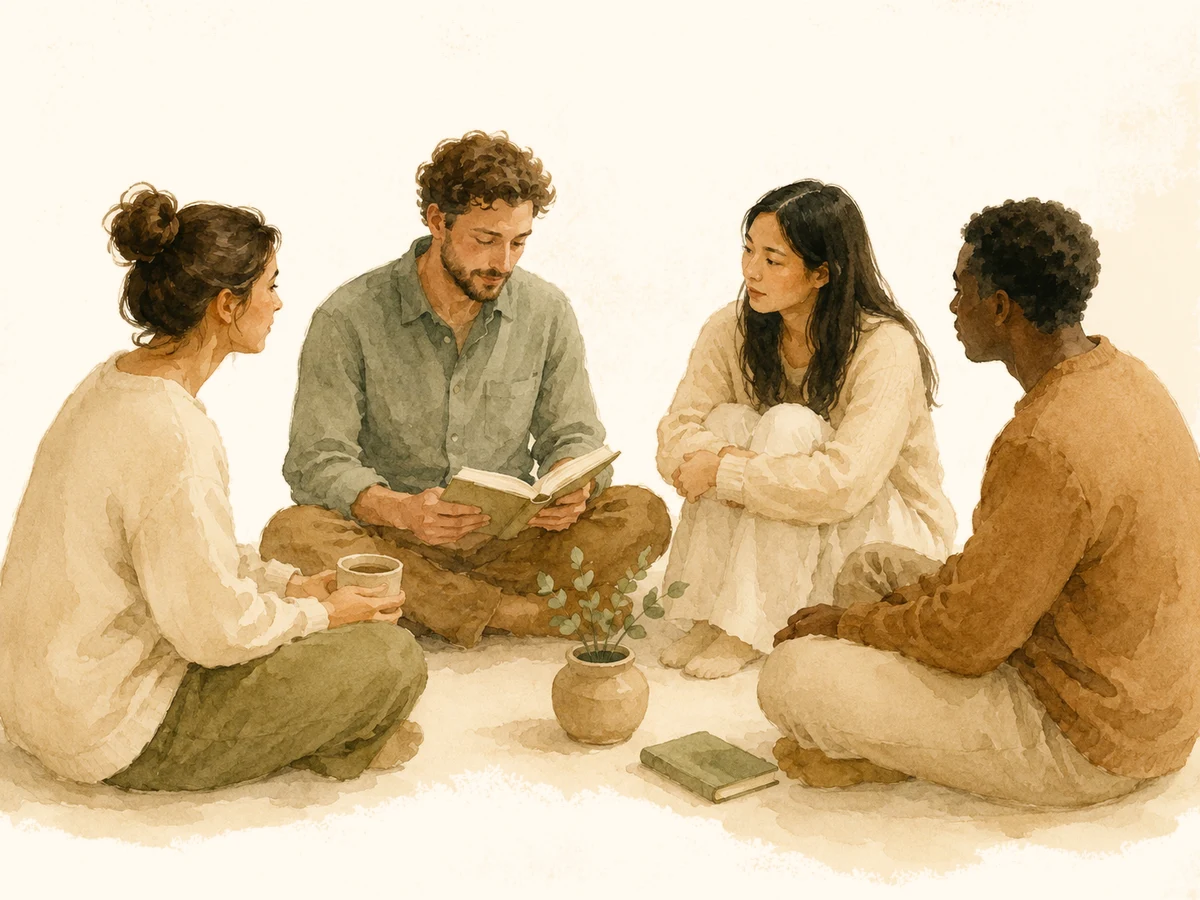
Gentle illustration of people in calm conversation

What a Circle is

A Circle is a small, local practice group for shared reflection, consent-based community, and slow repair. It is a place to learn the practices, ask better questions, and support ordinary human growth.

  • Practice-centered
  • Consent-based
  • Locally accountable
  • Reviewed over time
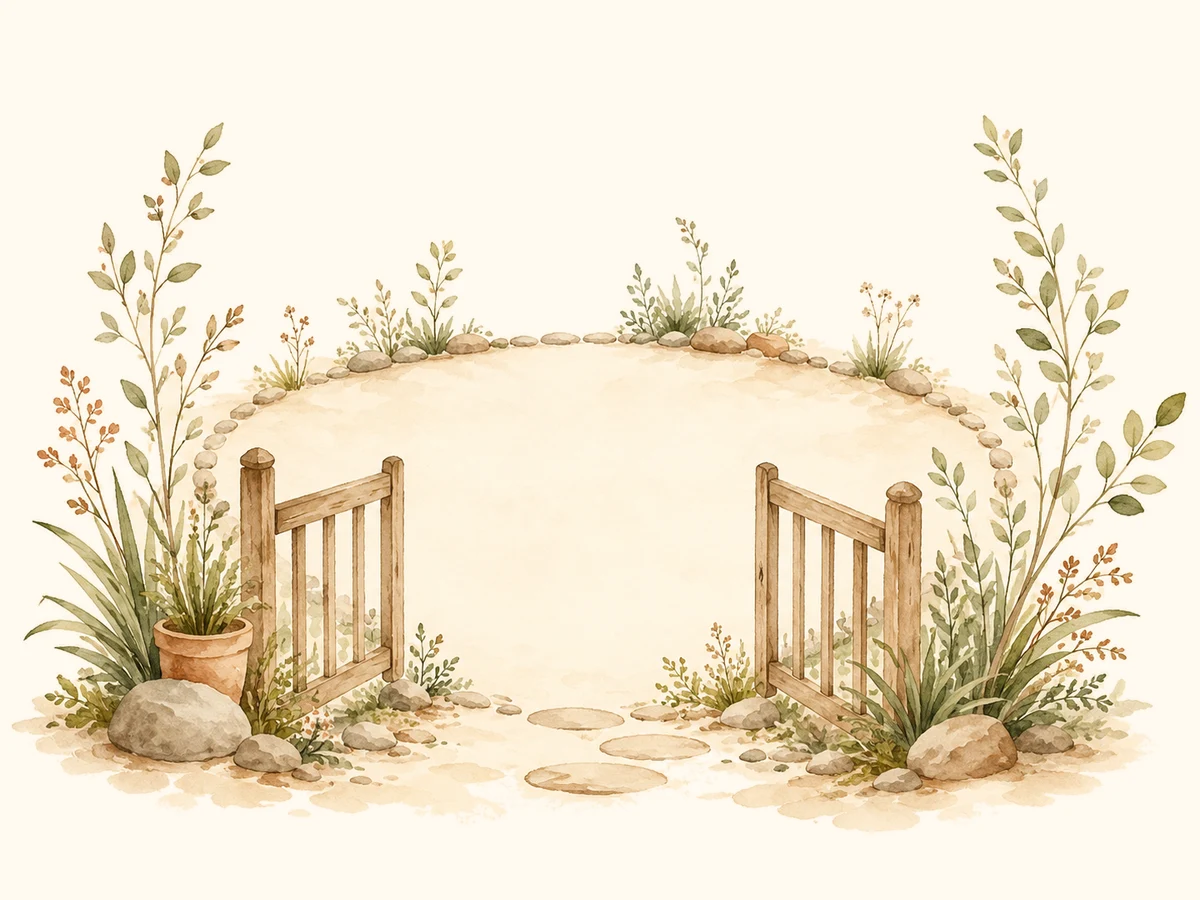
Quiet garden threshold illustration representing boundaries and care

What a Circle is not

A Circle is not therapy, emergency support, a private authority structure, or a place for coercion. No Circle should demand confession, loyalty, money, secrecy, or obedience from participants.

  • Not crisis care
  • Not a therapy group
  • Not a hierarchy of control
  • Not a place for pressure

Circle development

How Circles grow

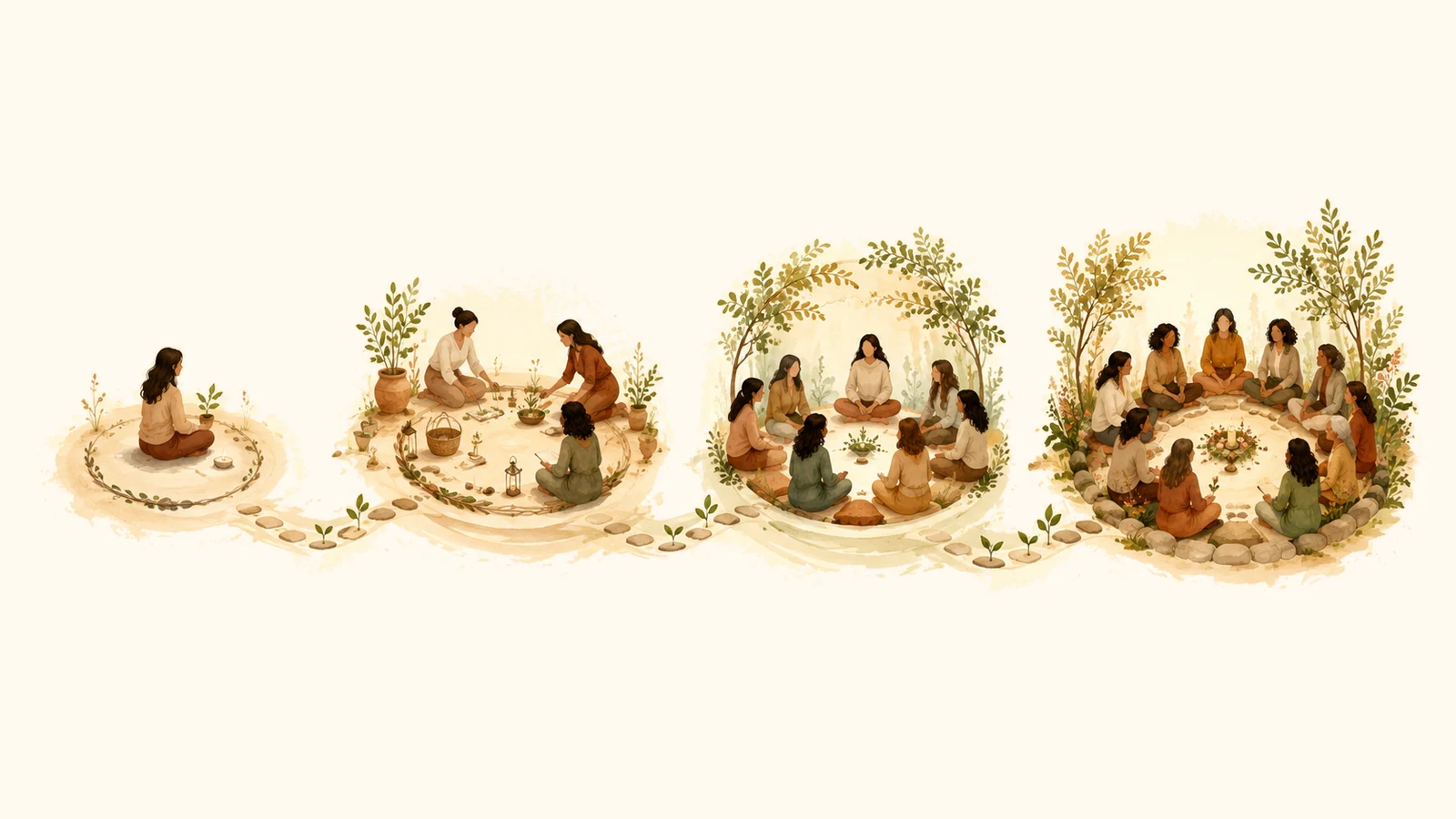
Circle status is meant to protect people. Groups begin privately, move slowly, and become more public only when there is enough care, clarity, and review.

Illustration of a slow path of community growth
Step 1

Private Practice

People begin with reflection, learning, and personal practice before forming a public group.

Step 2

Interest Group

A small group explores the path together without claiming reviewed Circle status.

Step 3

Provisional Circle

The group begins shared practice with clearer agreements, boundaries, and review expectations.

Step 4

Reviewed Circle

A Circle may be listed publicly only after review, accountability, and continued care.

Safety and accountability

Circles grow slowly, with care.

They are reviewed, accountable, and never a place for coercion. In this early stage, there is no public Circle directory yet. Interest can be shared, but public Circle recognition comes later.